
By Marty Mayfield
KRTN Multi-Media
Raton’s electric power has been in the limelight over the last few months, and the amount of power needed for certain operations in town with the Memorial Day weekend bringing a surprise to the power usage according to Raton Public Service General Manager Brenda Ferri.
The Burro Canyon power line is Raton’s primary source of electricity and is owned by RPS. It comes to Raton through some very rugged country in Colorado from a small substation west of Trinidad in Burro Canyon, thus the Burron Canyon name for the line. That substation is fed from another substation in Walsenburg which is fed from a power plant near Pueblo. An electric substation is a connection point or hub for electric distribution where there are transformers to convert the high voltage (69,000 volts) transmission lines to a lower voltage, often 14,400 volts or smaller voltages used in the distribution systems inside communities like Raton.
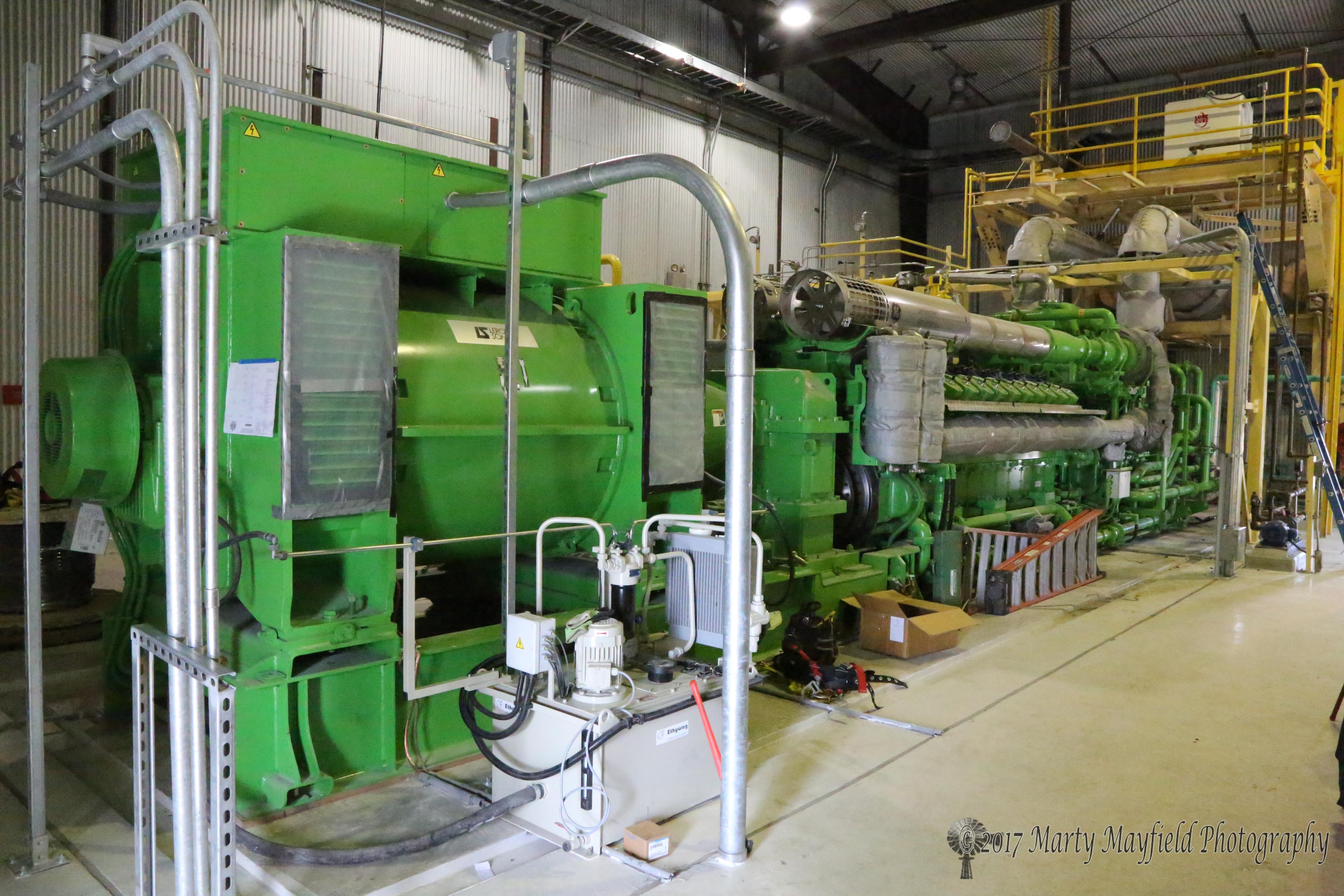
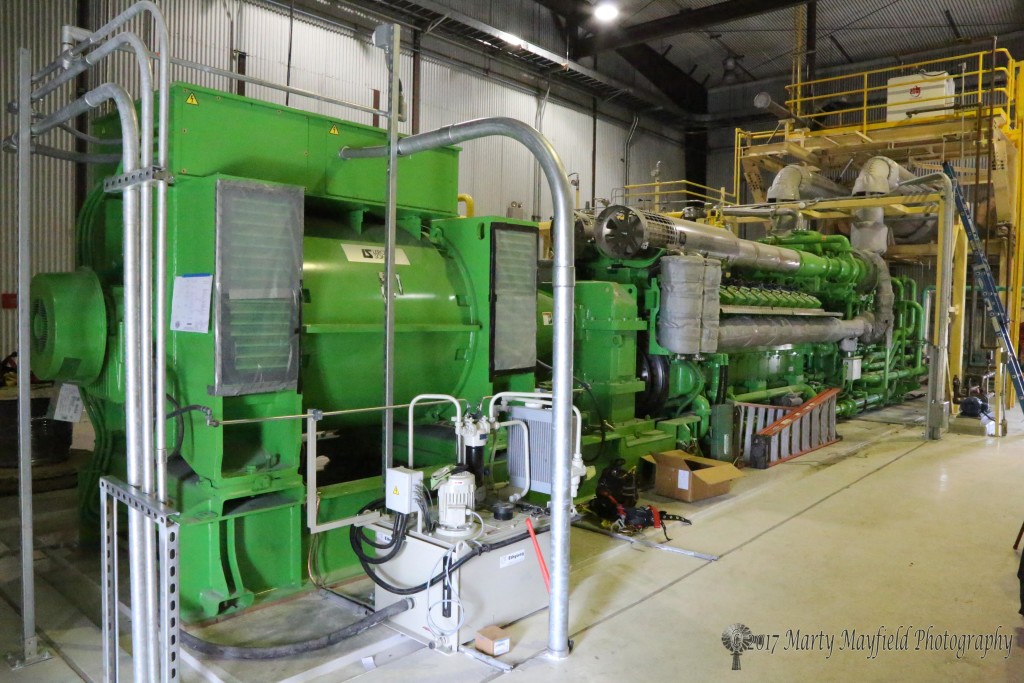
The other power line that comes into Raton comes from the south and is provided by Springer Electric which comes out of a substation just north of Springer. The capacity of the power line from Springer Electric is not fully known but is thought to be around a conservative 5 Megawatts capacity but has carried more in the past. When Raton uses power from Springer, Unit 4, the generator on the east side of the railroad tracks must be run to supplement that power line. Unit 4 is capable of producing about 4.3 MW.
The Raton Sub Station has the capacity to handle about 25 MW which is about 25% of the capacity of the Burro Canyon line yet well above what the Springer Electric line is capable of providing. According to RPS, Raton averages around 5 MW usage per day and has seen a low of 3.3 MW as recently as September 19, 2025, and a high of 9 MW during a cold snap on January 26, 2026, Ferri noted that the low temperature on the 26th was -2.
During the Memorial Day weekend 12 Tesla cars were seen at the same time at the charging station in the Dona Ana Shopping Center in south Raton. RPS indicates that the Tesla peak demand reached 992 Kilo Watts pushing the RPS system peak to 5,500KW or 5.5 MW. Tesla’s power consumption was 18% of the system peak on Memorial Day. This brings the question of who pays for that electricity? The vehicle owner pays Tesla, Tesla pays RPS.
Ferri noted that RPS rates have not been raised since 2013. Purchase power rates can fluctuate and cause minor changes, but RPS has a contract for power with Guzman until 2030 that keeps rates fairly stable. Will that change in 2030, Ferri says RPS is very pleased with Guzman, they are a great company to work with and that the renewal time is four years away and RPS will cross that bridge when they come to it.
When asked about reviving the old power plant RPS is looking at ways to do that, “all it takes is money” said Ferri. The old power plant was shut down several years ago as environmental issues with coal made it cost prohibitive to continue to run the coal fired plant.
RPS has built a .25MW solar farm in south Raton that used American Rescue Plan Funds provided by the City of Raton. RPS had planned to expand to 1MW with a US Department of Energy grant that has been stalled and may have been DOGE’d. Solar power is only a supplemental source as the farm only generates power when the sun shines unless there is a battery source to store that power over night. That is why the power plants that provide base load power will continue to be a vital part of the electric grid.
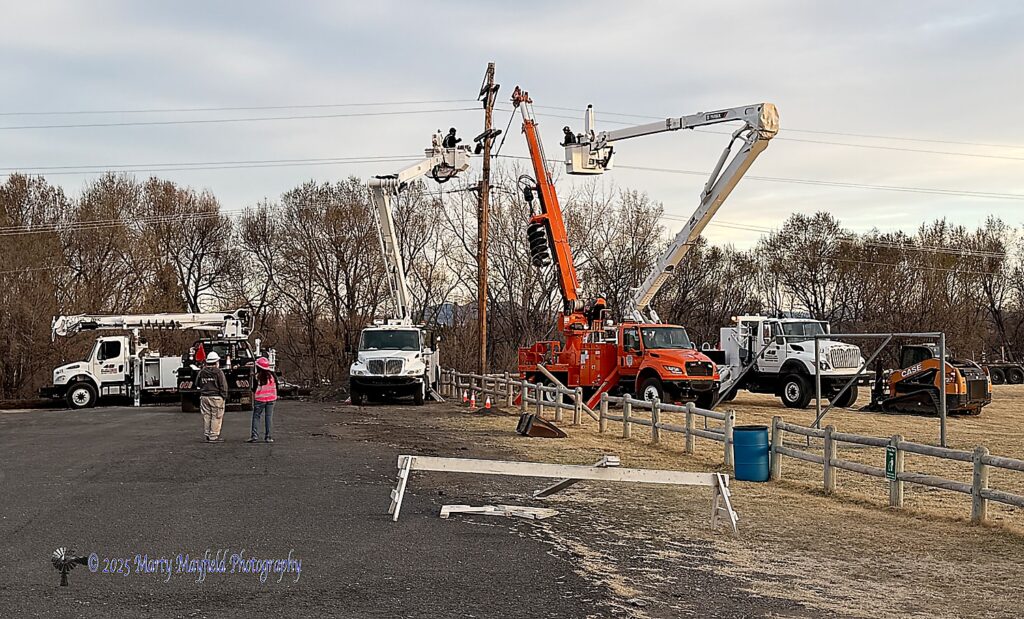
What happens if the Burro Canyon line goes down? RPS contacts Tri-State to determine the cause of the outage and if it will be an extended outage then the plan is to switch to Springer Electric and fire up Unit 4. If Unit 4 cannot run or Springer Electric is unable to provide enough power RPS could begin rolling blackouts. A scenario that RPS hopes never happens. Raton has been through an extended outage when RPS had to replace two of the poles that bring power into town from the substation on Gardner Road. That was just one of a number of scenarios that could occur to interrupt power to or in Raton.
Emergency generators power essential infrastructure such as the Hospital, Raton Dispatch and cellular services. In order for any power outage or rolling blackout to work it will require the cooperation of the citizenry to reduce as much of their non-essential electric usage as possible in a time of crisis.



And we sit on an unused gigantic coal seam. You know, coal, when Raton was actually thriving. We didn’t get that hospital with windmills.