
By Marty Mayfield
KRTN Multi-Media
The Western US is in the throes of a drought that has been going on for a couple of years now and reached a point where water restrictions are being put in place for many locations especially those that use ground water as their primary source of water. Yet Raton Water Works has not put Raton residents on restrictions but some wonder if that is a good idea.
Raton water works cautions residents to be mindful of the water they do use, and many probably do some restrictions on their own.
Raton receives water from both Eagle Nest Lake and Lake Maloya with Lake Maloya being the primary source of water for the city. General Manager Llyod Wakefield noted that during the summer Raton uses a mix of both lake waters. But can pull from either one as needed depending on water conditions such as turbidity.
Wakefield noted that from May1st through July 31 of this year Lake Maloya went from 3640-acre feet to 3521-acre feet of water at Lake Maloya which equates to 38,776,269 gallons of water or 119-acre feet. Wakefield noted that water was also drawn from Lake Maloya to fight the fires in the area near the lake. Evaporation is another factor that is considered when watching the lake water level as is seepage from the dam and surrounding area.
Lake Maloya relies on runoff from summer rains and winter snow melt to keep it full. A lack of both rain and snow melt has contributed to the drop in water level at the lake. Eagle Nest Lake has also seen a big reduction in rain and snow melt runoff thus reducing its water level as well.
The USGS has a monitoring station at Lake Maloya and measures the water level based on water pressure. The more water in the lake the more pressure there is on the pressure sensor monitoring the water level.
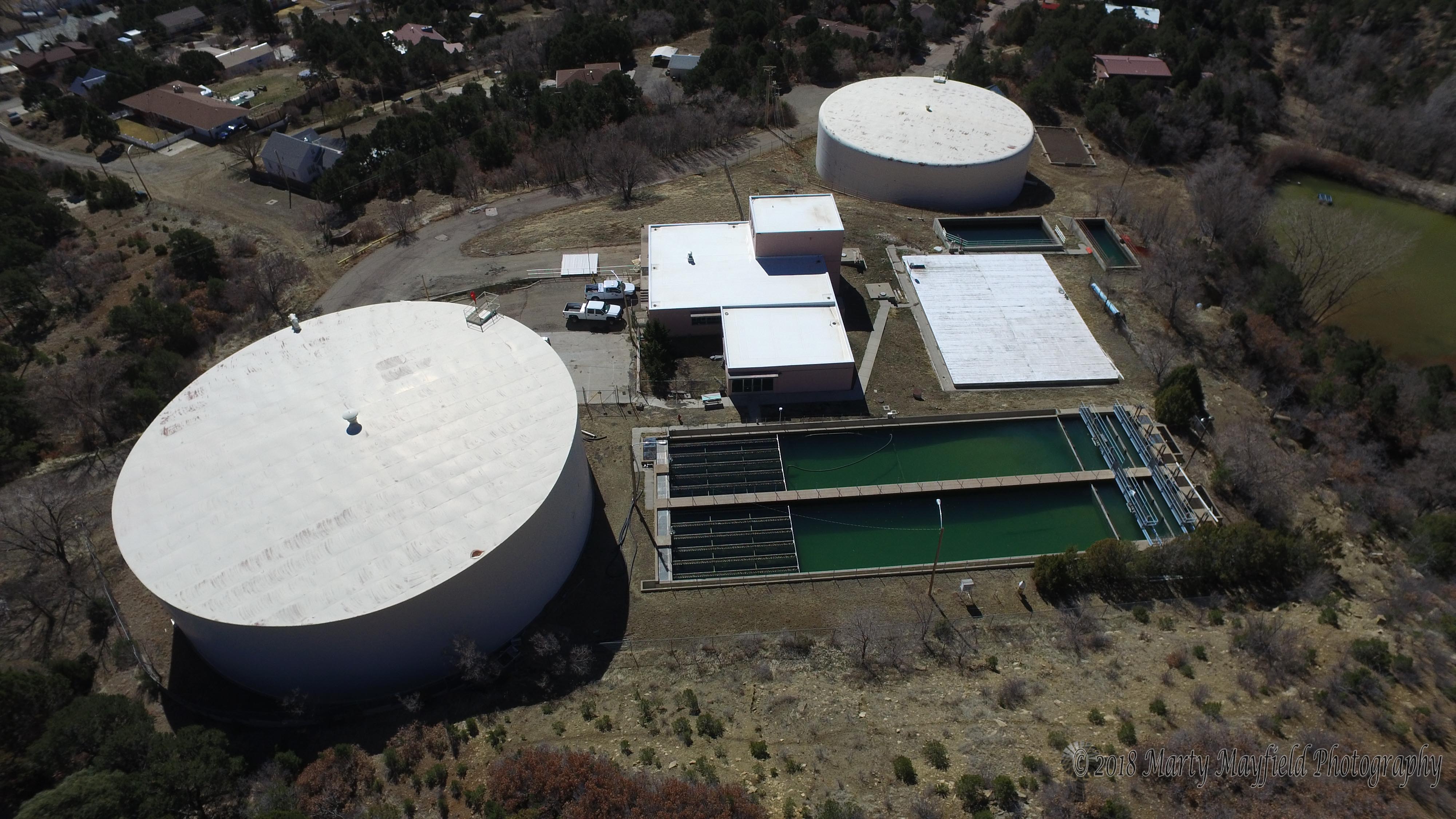
Usage or outflow from the Raton Filter Plant in north Raton has risen some over the summer months. May the outflow was 34,032,000 gallons, for June that number was 36,127,000 gallons and July saw an outflow of 42,746,000 gallons of water usage. Wakefield had not yet completed the numbers for August at press time.
But is there hope on the horizon? According to the National Weather Service there is a very strong El Nino developing in the equatorial Pacific Ocean. Water temps in the region have risen by 3.5° C over the last few months. In past years El Ninos have brought warmer temperatures and wetter weather to the southwest region of the US. Should this hold true for the fall and winter of 2026, and 2027 Lake Maloya could see significant recharge.
Should Raton be placed on restrictions? Wakefield noted they are watching the water levels and usage and at this point and don’t feel it is necessary to put restrictions in place. He also noted that RWW has pamphlets at the office on how to be water wise and residents are more than welcome to pick one up to see how they can conserve water on their own.





Be First to Comment